

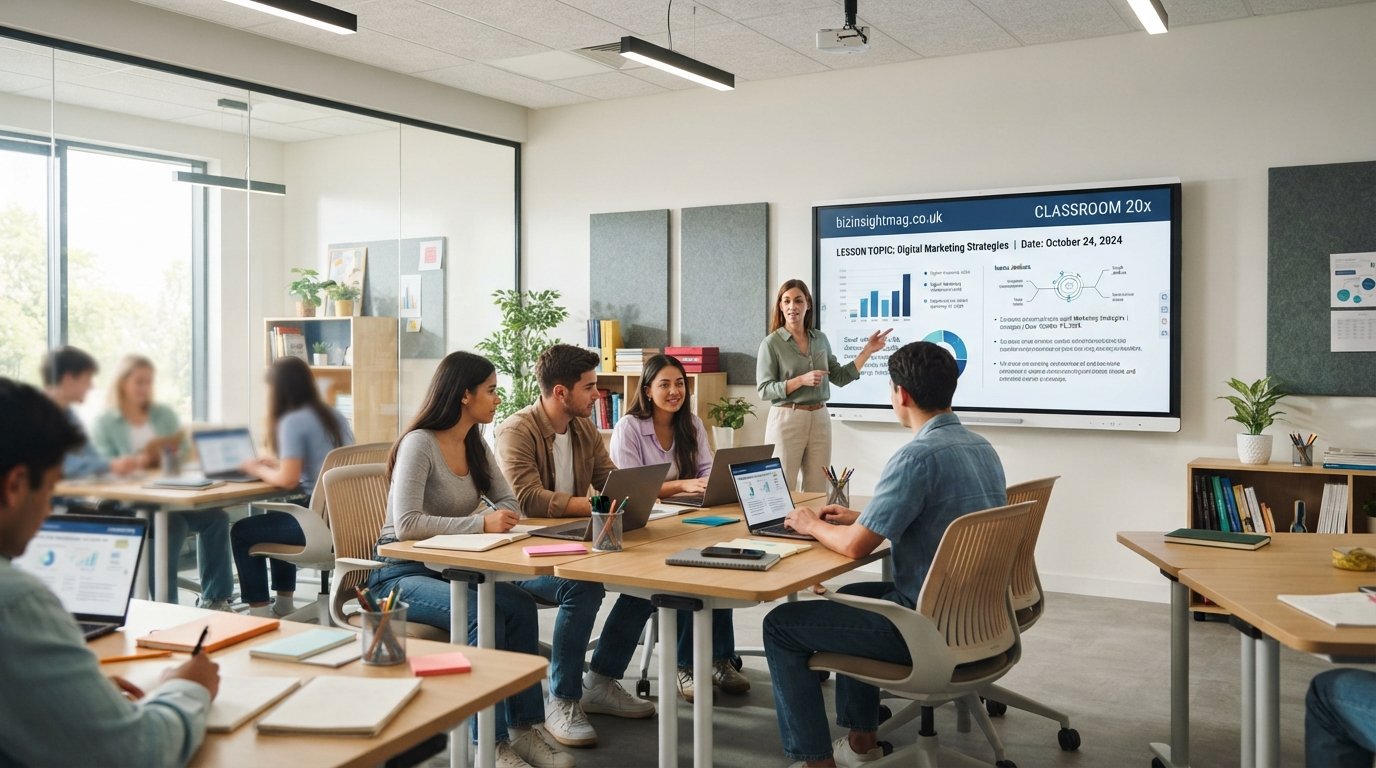
The education landscape has evolved rapidly over the past decade, with digital technology transforming the way students learn and teachers deliver lessons. Among the many innovative educational concepts gaining attention online, Classroom 20X has emerged as a popular keyword associated with interactive learning, educational resources, browser-based activities, and modern classroom technology. Whether you are a student looking for engaging educational content, a teacher searching for digital learning tools, or simply curious about the concept, understanding Classroom 20X can help you appreciate how technology is reshaping education.
Today’s classrooms are no longer limited to textbooks and traditional lectures. Digital platforms provide access to interactive lessons, educational games, collaborative tools, quizzes, multimedia resources, and cloud-based learning environments that support both in-person and remote education. These innovations make learning more engaging while helping educators manage lessons more efficiently.
Classroom 20X reflects the broader movement toward flexible, technology-driven education. It represents the growing integration of online resources, digital collaboration, and interactive learning experiences that encourage creativity, problem-solving, and student participation.
This guide explores what Classroom 20X is, its key features, educational benefits, how it works, common applications, challenges, and practical tips for making the most of digital learning environments.
What Is Classroom 20X?
Classroom 20X generally refers to a modern digital learning environment that combines technology with education to create a more interactive and engaging classroom experience. Depending on the context, the term may also be associated with browser-based educational platforms, learning portals, or collections of educational resources designed to support students and teachers.
Unlike traditional classrooms that rely primarily on printed materials and face-to-face instruction, Classroom 20X emphasizes the use of online tools, cloud-based collaboration, multimedia content, and interactive activities. Students can access lessons, assignments, quizzes, and educational materials from computers, tablets, or smartphones, making learning more flexible and accessible.
One of the defining characteristics of Classroom 20X is its focus on active participation. Rather than simply listening to lectures, students are encouraged to explore concepts through interactive exercises, videos, simulations, collaborative projects, and digital discussions. This approach supports different learning styles and helps maintain engagement.
Teachers also benefit from digital classroom platforms. They can organize lesson plans, distribute assignments, monitor student progress, provide feedback, and communicate with learners more efficiently. Many platforms include analytics that help educators identify areas where students may need additional support.
Ultimately, Classroom 20X represents a shift toward technology-enhanced education that prepares students for a world where digital literacy and online collaboration are increasingly important.
Key Features of Classroom 20X
Modern digital learning platforms typically include a wide variety of features designed to improve both teaching and learning. Classroom 20X is often associated with several core capabilities that enhance the educational experience.
Interactive Learning Materials
Instead of relying solely on textbooks, students can access multimedia lessons that combine text, images, videos, animations, and interactive exercises. These resources make complex topics easier to understand and help maintain student interest.
Cloud-Based Accessibility
Cloud technology allows users to access learning materials from almost anywhere with an internet connection. Students can continue studying at home, while teachers can update resources without distributing new printed materials.
Assignment Management
Teachers can create, distribute, collect, and grade assignments digitally. This simplifies classroom administration and allows students to submit work electronically, reducing paperwork and improving organization.
Collaboration Tools
Many digital learning environments include discussion boards, shared documents, group projects, and messaging features. These tools encourage teamwork and allow students to collaborate even when they are not physically together.
Progress Tracking
Built-in analytics enable teachers and students to monitor academic performance over time. Progress reports, quiz results, and completion rates help identify strengths and areas for improvement.
Multimedia Integration
Videos, presentations, podcasts, diagrams, and interactive simulations enrich lessons by presenting information in multiple formats. This variety supports different learning preferences and helps explain challenging concepts more effectively.
How Classroom 20X Works
The exact functionality depends on the specific platform, but most Classroom 20X environments follow a similar structure.
Students begin by logging into a secure account using a computer, tablet, or smartphone. After signing in, they can view available courses, assignments, announcements, and upcoming deadlines from a personalized dashboard.
Teachers create digital classrooms where they organize educational content into units or modules. Lessons often include reading materials, instructional videos, quizzes, downloadable documents, and interactive activities. Assignments can be scheduled in advance, allowing students to complete them according to the course timeline.
Communication is another important component. Students can ask questions through discussion boards or messaging tools, while teachers can provide announcements, feedback, and additional resources. Notifications help ensure that important updates are not missed.
Many platforms also support assessments. Quizzes and tests can be completed online, with some systems providing immediate feedback and automatic grading. Teachers can review detailed performance data to understand how well students are mastering each topic.
Because everything is stored digitally, both students and teachers can access course materials whenever needed, making learning more flexible and reducing dependence on physical classrooms.
Benefits for Students and Teachers
One of the greatest advantages of Classroom 20X is the flexibility it offers. Students can often learn at their own pace, revisiting lessons or reviewing materials whenever necessary. This personalized approach supports different learning styles and allows individuals to spend more time on challenging topics.
For teachers, digital classrooms reduce many administrative tasks. Assignments, grades, attendance records, and communication can all be managed through a single platform. This efficiency allows educators to focus more on teaching and supporting student development.
Engagement is another significant benefit. Interactive activities, multimedia resources, and collaborative projects encourage active participation rather than passive learning. Students are more likely to remain motivated when lessons include diverse and engaging content.
Accessibility also improves educational opportunities. Learners who cannot attend traditional classes due to distance, health concerns, or scheduling conflicts can continue their education online. Cloud-based platforms ensure that educational resources remain available beyond the classroom walls.
Additionally, digital literacy becomes an integral part of the learning process. By regularly using online tools, students develop skills that are increasingly valuable in higher education and the modern workplace, including communication, collaboration, information management, and technology proficiency.
Educational Tools and Learning Experience
A successful Classroom 20X environment typically incorporates a wide range of educational tools that enrich the overall learning experience. Interactive quizzes allow students to test their understanding immediately after completing a lesson, while educational games make learning more enjoyable by introducing elements of challenge and achievement.
Virtual whiteboards support brainstorming sessions and collaborative problem-solving, enabling both teachers and students to contribute ideas in real time. Presentation tools help educators deliver visually engaging lessons that combine text, graphics, animations, and video demonstrations.
Many platforms also integrate with external educational resources, allowing teachers to include digital libraries, online simulations, language learning tools, coding environments, and scientific visualizations within their courses. These integrations expand learning opportunities without requiring students to manage multiple unrelated systems.
Artificial intelligence is becoming increasingly common in educational technology. Some platforms analyze student performance to recommend additional practice activities or personalized learning paths. While these features continue to evolve, they demonstrate how technology can adapt instruction to meet individual learning needs.
By combining these tools within a unified digital environment, Classroom 20X supports a richer and more interactive educational experience than traditional methods alone.
Classroom 20X for Online Learning
The rise of remote and hybrid education has highlighted the importance of reliable digital learning platforms. Classroom 20X supports online learning by enabling students to participate in lessons regardless of location. Video conferencing, digital assignments, online discussions, and collaborative documents allow learning to continue even when face-to-face instruction is not possible.
Teachers can record lessons for later review, ensuring that students who miss a live session can still access the material. Flexible scheduling also accommodates learners in different time zones or with varying personal responsibilities.
Remote learning encourages greater independence as students learn to manage their schedules, complete assignments on time, and communicate effectively through digital channels. These organizational skills are valuable both academically and professionally.
Common Challenges and Solutions
Despite its many advantages, Classroom 20X also presents certain challenges. Reliable internet access remains essential for participating in online education, and not all students have equal access to high-speed connections or modern devices. Schools and educational organizations continue working to reduce these barriers through technology initiatives and expanded digital access.
Another challenge involves maintaining student engagement during remote learning. Teachers can address this by incorporating interactive activities, regular discussions, multimedia content, and collaborative projects that encourage active participation.
Technical issues occasionally arise as well. Keeping software updated, providing technical support, and offering clear user guidance help minimize disruptions and ensure smooth operation.
Balancing screen time is another important consideration. Combining digital learning with offline reading, written exercises, physical activities, and practical projects promotes healthier study habits and reduces fatigue.

Frequently Asked Questions
What is Classroom 20X?
Classroom 20X generally refers to a technology-enhanced learning environment that uses digital tools, online resources, and interactive educational content to support teaching and learning.
Who can use Classroom 20X?
Students, teachers, schools, educational organizations, and lifelong learners can all benefit from digital classroom platforms.
Can Classroom 20X be used for remote learning?
Yes. It is well suited for online, hybrid, and traditional classroom settings, providing flexible access to educational resources and communication tools.
Does Classroom 20X support collaboration?
Most modern digital learning platforms include collaboration features such as shared documents, discussion boards, messaging systems, and group projects.
Is Classroom 20X suitable for all age groups?
Many educational platforms offer content and tools designed for learners ranging from primary school students to university learners and adult education participants.
Conclusion
Classroom 20X represents the continuing evolution of education through digital innovation. By combining interactive learning materials, cloud-based accessibility, collaborative tools, multimedia resources, and progress tracking, it creates an engaging environment that benefits both students and educators.
As technology becomes increasingly integrated into everyday life, digital learning platforms play a vital role in preparing learners for future academic and professional success. Classroom 20X encourages flexibility, collaboration, independent learning, and digital literacy while making educational resources more accessible than ever before.
Although challenges such as internet access and screen time management remain important considerations, thoughtful implementation and continuous technological improvements continue to enhance the effectiveness of modern online education. Whether used in traditional classrooms, remote learning environments, or hybrid educational models, Classroom 20X reflects a forward-looking approach to teaching and learning that is shaping the future of education.
