

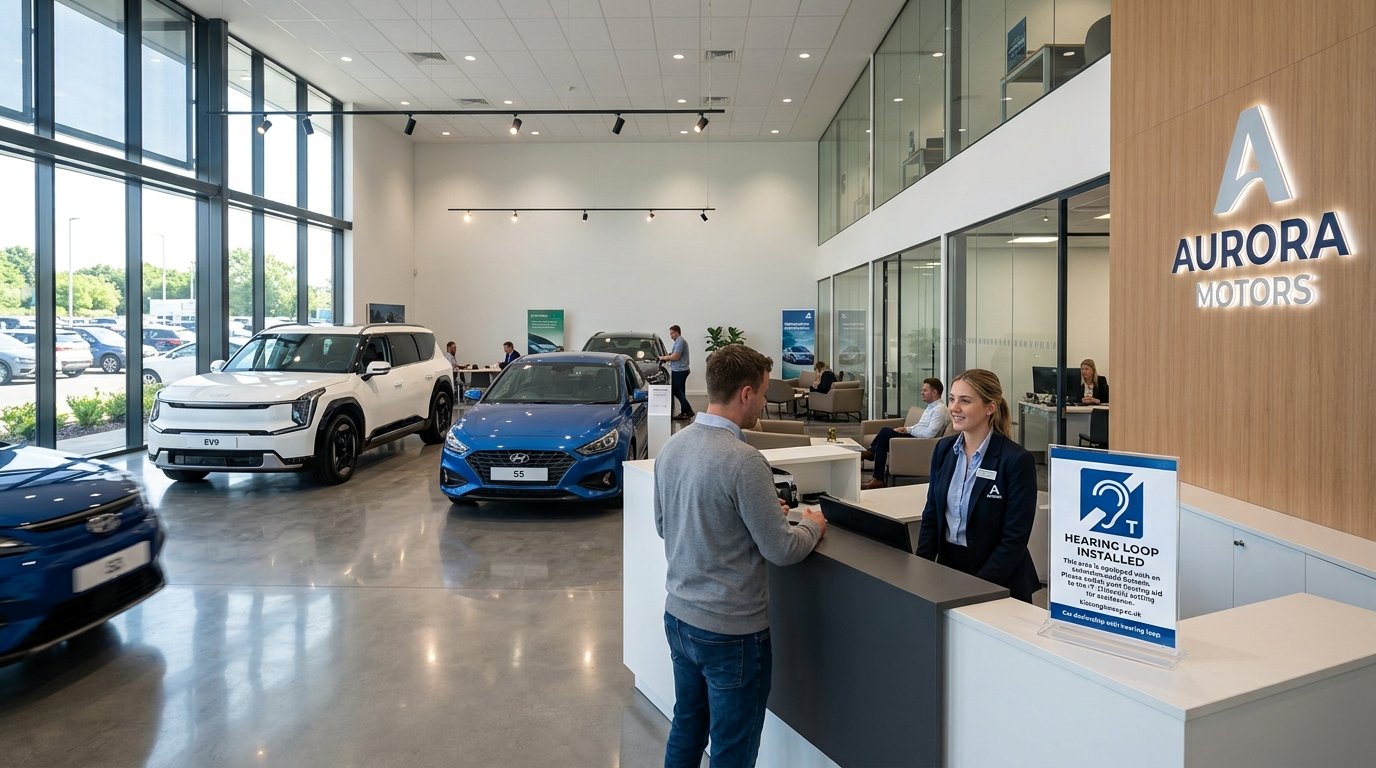
Accessibility has become an essential consideration for businesses seeking to provide exceptional customer service and create welcoming environments for all individuals. In the automotive industry, dealerships continuously strive to improve the buying experience through advanced technology, personalized assistance, and customer-focused facilities. One innovation that has gained increasing attention is the car dealership with hearing loop systems.
Hearing loops are assistive listening technologies designed to improve communication for individuals who use hearing aids or cochlear implants. By transmitting sound directly to compatible hearing devices, hearing loop systems reduce background noise car dealership with hearing loop and enhance speech clarity, making conversations easier and more comfortable.
For customers visiting a car dealership, effective communication is critical. Purchasing a vehicle often involves detailed discussions regarding financing, warranties, specifications, service plans, and pricing. For individuals with hearing loss, traditional dealership car dealership with hearing loop environments can sometimes present challenges due to background noise, multiple conversations, and large open spaces.
A car dealership equipped with a hearing loop demonstrates a commitment to accessibility, inclusivity, and customer satisfaction. Such facilities enable car dealership with hearing loop visitors with hearing impairments to engage confidently in discussions, understand important information, and enjoy a more positive experience.
This comprehensive article explores the concept of a car dealership with hearing loop technology, its benefits, implementation, customer impact, legal car dealership with hearing loop considerations, and the growing importance of accessibility within the automotive industry.
What Is a Hearing Loop?
A hearing loop, also known as an induction loop system, is an assistive listening technology that transmits audio signals directly to hearing aids car dealership with hearing loop and cochlear implants equipped with telecoils.
The system consists of three primary components:
- A sound source
- An amplifier
- A loop wire installed around a designated area
When someone speaks into a microphone or audio system car dealership with hearing loop connected to the hearing loop, the sound is converted into an electromagnetic signal.
Individuals using compatible hearing devices can activate their telecoil setting to receive the audio directly into their hearing aids.
This process significantly improves sound quality by reducing interference from surrounding noise.
Understanding Hearing Loss and Communication Challenges
Millions of people worldwide experience some degree of hearing loss.
Communication difficulties can affect daily car dealership with hearing loop activities, including shopping, attending events, receiving services, and making significant purchases.
In car dealerships, customers may encounter challenges such as:
- Background conversations
- Music playing in showrooms
- Engine demonstrations
- Busy waiting areas
- Open office layouts
- Poor acoustics
These factors can make it difficult for car dealership with hearing loop individuals with hearing impairments to understand spoken information.
Hearing loop technology addresses these issues by providing clearer communication.
Why Accessibility Matters in Car Dealerships
Automotive purchases represent important financial decisions.
Customers need accurate information regarding:
- Vehicle features
- Pricing
- Financing options
- Trade-in values
- Service agreements
- Maintenance plans
- Insurance considerations
- Warranty details
Miscommunication can lead to confusion, frustration, and reduced customer satisfaction.
Accessibility ensures that all customers receive equal opportunities to understand information and participate fully in the buying process.
A car dealership with hearing loop systems demonstrates dedication to serving diverse customer needs.
Benefits of a Car Dealership With Hearing Loop
Implementing hearing loop technology offers numerous advantages for dealerships and customers alike.
Improved Communication
One of the most significant benefits is enhanced speech clarity.
Hearing loops transmit sound directly into hearing devices, minimizing distractions and improving comprehension.
This allows customers to focus on conversations without struggling to hear.
Increased Customer Confidence
Clear communication promotes confidence.
Customers feel more comfortable asking questions, discussing concerns, and making informed decisions.
This contributes to a more positive purchasing experience.
Better Customer Satisfaction
Accessibility initiatives often lead to higher satisfaction levels.
Customers appreciate businesses that recognize and accommodate their specific needs.
Positive experiences can encourage repeat visits and referrals.
Inclusive Environment
Hearing loops help create environments where everyone feels welcome.
Accessibility fosters inclusivity and supports equal participation.
Competitive Advantage
Dealerships that invest in accessibility may distinguish themselves from competitors.
Providing additional services can enhance reputation and attract broader customer groups.
How Hearing Loop Systems Work in Car Dealerships
A hearing loop system functions by capturing spoken audio and transmitting it wirelessly to hearing devices.
The process typically involves:
Audio Input
Microphones capture speech from dealership staff members.
This may include conversations at:
- Reception desks
- Sales offices
- Finance departments
- Customer service counters
Amplification
Signals are processed through a loop amplifier.
The amplifier strengthens and converts audio into electromagnetic signals.
Loop Transmission
Loop wires installed within designated areas create magnetic fields.
Compatible hearing devices receive these signals directly.
Telecoil Reception
Customers activate the telecoil setting on their hearing aids.
Audio is delivered clearly without interference from surrounding noise.
Areas Within a Dealership That Benefit From Hearing Loops
Several locations within automotive facilities can benefit from hearing loop installations.
Reception Areas
Reception desks often represent the first point of contact.
Clear communication establishes a positive impression.
Hearing loops assist visitors during initial inquiries and appointments.
Sales Offices
Sales discussions involve important details regarding vehicles, pricing, and features.
Enhanced audio quality supports effective communication.
Finance Departments
Financing conversations often contain complex information.
Customers benefit from hearing loan terms, interest rates, and payment options clearly.
Service Counters
Service departments frequently discuss maintenance requirements and repair recommendations.
Hearing loops improve understanding during these interactions.
Waiting Areas
Announcements regarding completed services or appointments can be transmitted through hearing loop systems.
Customer Experience in a Car Dealership With Hearing Loop
Accessibility initiatives contribute significantly to customer experiences.
Visitors with hearing impairments often report feeling more comfortable in environments designed with inclusivity in mind.
Positive experiences may include:
- Reduced anxiety
- Greater independence
- Improved understanding
- Enhanced confidence
- Increased engagement
Customers are more likely to enjoy the vehicle-buying process when communication barriers are minimized.
Hearing Loops Compared to Other Assistive Listening Technologies
Several assistive listening technologies exist.
Each offers unique advantages.
Hearing Loops
Advantages include:
- Direct transmission to hearing aids
- No additional equipment required
- Ease of use
- High sound quality
- Reduced background noise
FM Systems
FM systems rely on radio frequencies.
Users typically wear separate receivers.
While effective, they may require additional setup.
Infrared Systems
Infrared technologies use light signals.
Users often need dedicated receivers.
Performance may be affected by physical obstructions.
Bluetooth Solutions
Bluetooth technologies continue evolving.
However, compatibility varies between devices.
Hearing loops remain widely recognized for their simplicity and reliability.
Legal Considerations for Accessibility
Accessibility regulations vary by country and region.
Businesses increasingly recognize the importance of accommodating customers with disabilities.
Many jurisdictions encourage or require organizations to provide reasonable accommodations.
Accessibility initiatives may include:
- Assistive listening systems
- Wheelchair access
- Accessible restrooms
- Visual signage
- Staff training
Investing in hearing loops supports compliance efforts while promoting inclusivity.
Staff Training and Awareness
Technology alone does not guarantee positive experiences.
Employees should understand how hearing loops function and how to assist customers effectively.
Training topics may include:
- Operating hearing loop systems
- Explaining telecoil compatibility
- Communicating clearly
- Speaking at appropriate volumes
- Facing customers while speaking
- Reducing unnecessary background noise
Knowledgeable staff contribute significantly to successful accessibility programs.
Designing Inclusive Automotive Spaces
Inclusive design considers diverse customer needs during facility planning.
Elements that support accessibility include:
Clear Signage
Visible signs help customers identify hearing loop availability.
International hearing loop symbols increase awareness.
Comfortable Seating
Accessible seating arrangements improve comfort.
Proper Lighting
Good lighting supports lip reading and visual communication.
Reduced Noise Levels
Managing background noise enhances overall communication quality.
Private Consultation Areas
Quiet spaces facilitate confidential discussions regarding financing and purchases.
The Business Benefits of Accessibility Investments
Accessibility initiatives offer substantial advantages beyond compliance.
Expanded Customer Base
Businesses that prioritize inclusivity may attract new audiences.
People with hearing impairments represent a significant market segment.
Positive Reputation
Accessibility demonstrates social responsibility.
Customers increasingly support businesses committed to inclusion.
Enhanced Brand Image
Companies recognized for accessibility often enjoy stronger public perception.
Customer Loyalty
Positive experiences encourage repeat business and referrals.
Satisfied customers frequently recommend inclusive organizations.
The Growing Demand for Inclusive Customer Experiences
Consumer expectations continue evolving.
People increasingly value businesses that prioritize accessibility.
Organizations across industries are implementing initiatives designed to improve experiences for all customers.
Examples include:
- Captioned videos
- Accessible websites
- Sign language interpretation
- Assistive technologies
- Hearing loop installations
Automotive dealerships are increasingly recognizing the importance of these improvements.
Technological Advances in Accessibility
Technology continues to transform accessibility solutions.
Future developments may include:
Smart Hearing Systems
Advanced systems may automatically detect compatible hearing devices.
Enhanced Audio Processing
Improved sound quality could further reduce interference.
Integrated Digital Services
Accessibility tools may integrate with mobile applications and dealership software.
Personalized Experiences
Technology may allow customers to customize audio settings according to individual preferences.
Innovation continues expanding possibilities for inclusive communication.
Challenges in Implementing Hearing Loops
Although hearing loops offer numerous benefits, implementation may involve challenges.
Installation Costs
Initial investments may vary depending on facility size and layout.
Infrastructure Requirements
Existing buildings may require modifications.
Staff Education
Training programs require time and resources.
Customer Awareness
Some visitors may not realize hearing loops are available.
Promotional efforts can help increase awareness.
Despite these challenges, many organizations find the long-term benefits worthwhile.
Promoting Hearing Loop Availability
Dealerships can maximize the impact of hearing loops through effective communication.
Strategies include:
- Website accessibility pages
- Visible signage
- Customer service announcements
- Social media promotion
- Staff recommendations
- Community outreach
Awareness campaigns ensure customers know these resources exist.
Future of Accessibility in Automotive Retail
Accessibility is expected to become increasingly important within the automotive sector.
Several trends may influence future developments.
Universal Design Principles
Businesses are adopting design strategies that accommodate diverse populations.
Inclusive Customer Experiences
Accessibility may become a standard expectation among consumers.
Technological Integration
Digital tools will continue enhancing communication.
Greater Industry Awareness
Automotive organizations increasingly recognize accessibility as an essential component of customer service.
Dealerships that invest early in accessibility initiatives may position themselves as industry leaders.
Why Hearing Loops Matter Beyond Compliance
Accessibility should not be viewed solely as a regulatory obligation.
It represents an opportunity to improve human experiences.
A car purchase often carries emotional significance.
Customers may be buying:
- Their first vehicle
- A family car
- A business vehicle
- A retirement vehicle
- A dream automobile
Every customer deserves the opportunity to participate fully in this experience.
Hearing loops help ensure that communication barriers do not interfere with important decisions.
Conclusion
A car dealership with hearing loop technology reflects a growing commitment to accessibility, inclusivity, and exceptional customer service within the automotive industry. Hearing loop systems enable individuals with hearing impairments to communicate more effectively, understand important information, and participate confidently in vehicle purchasing and service experiences.
As dealerships continue seeking innovative ways to enhance customer satisfaction, accessibility initiatives have become increasingly valuable. Hearing loops provide clear speech transmission, reduce background noise, improve customer confidence, and foster welcoming environments for diverse audiences.
Beyond legal considerations, investing in hearing loop technology demonstrates respect, empathy, and dedication to meeting customer needs. Inclusive dealerships not only improve experiences for individuals with hearing loss but also strengthen their reputations, broaden their customer base, and create lasting relationships built on trust and understanding.
As awareness of accessibility continues to grow, hearing loop systems are likely to become an increasingly common feature within modern automotive facilities, contributing to a future where every customer can enjoy a seamless and inclusive car-buying journey.
