

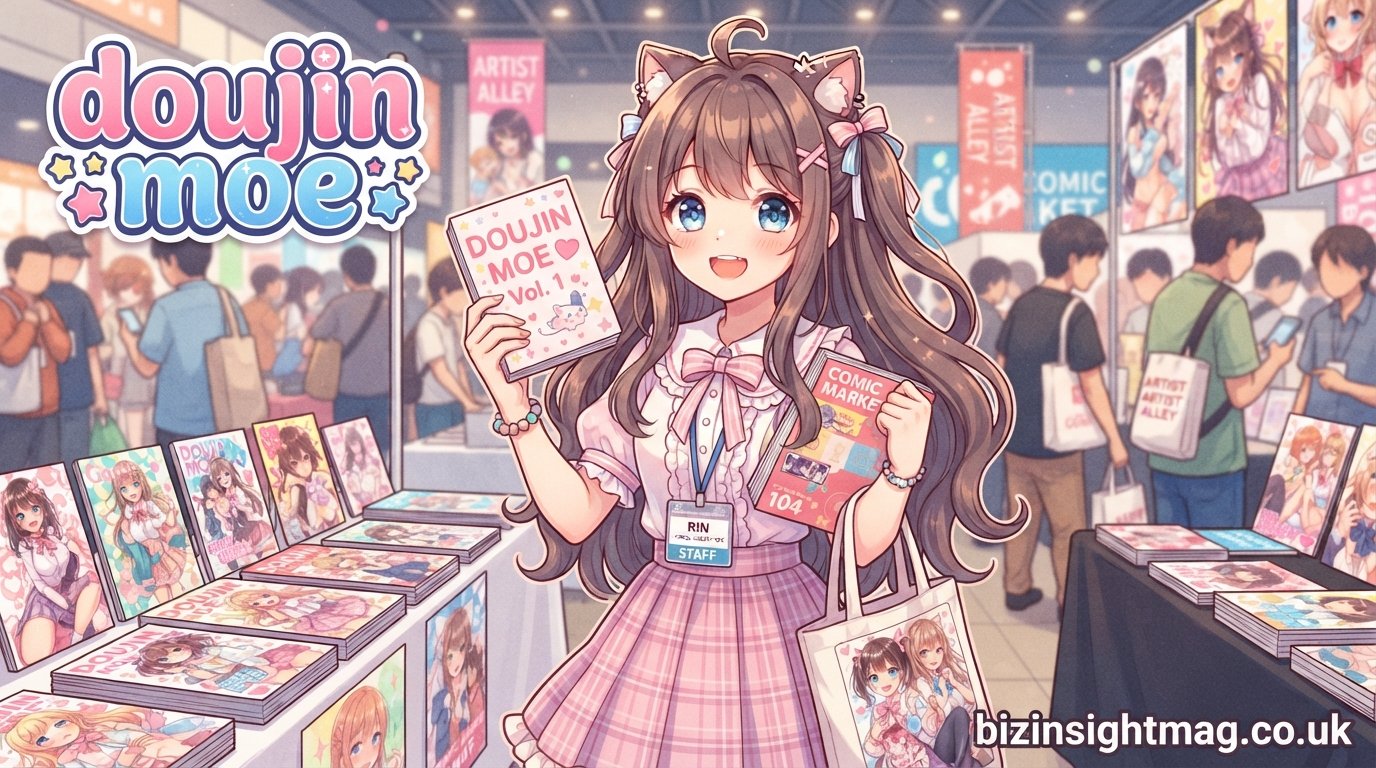
The terms doujin moe are widely recognized within Japanese pop culture, especially among fans of anime, manga, games, and visual novels. While they often appear together as the phrase doujin moe, each word has its own meaning and cultural significance. Understanding both concepts provides valuable insight into the creative communities that have shaped modern anime and manga fandom.
Doujin culture celebrates independent creativity, allowing artists and writers to publish their own works outside traditional commercial publishers. Moe, on the other hand, refers to the emotional affection or attachment fans feel toward fictional characters, often because of their charming personalities, innocent appearances, or heartwarming traits.
Today, doujin moe has become an important part of fan culture not only in Japan but around the world. Independent creators continue to inspire millions through comics, illustrations, games, music, and novels while embracing the artistic freedom that defines the doujin community.
What Does Doujin Moe Mean?
The phrase doujin moe combines two important Japanese concepts.
Doujin (同人) literally means “people with the same interests.” In modern entertainment, it usually refers to independently published creative works. These can include manga, novels, illustrations, games, music albums, and digital content produced by individuals or small groups known as circles.
Moe (萌え) describes a feeling of affection or emotional attachment toward fictional characters. Rather than referring to a specific genre, moe represents an emotional response from fans who appreciate characters with appealing personalities, expressive emotions, kindness, innocence, or relatable qualities.
When used together, doujin moe generally refers to independently created works that feature characters designed to evoke these warm emotional connections. Such works often focus on storytelling, character development, humor, slice-of-life experiences, fantasy adventures, or romantic themes.
The Origins of Doujin Culture
Doujin culture has existed in Japan for decades. Although independent publishing dates back much further, the modern doujin movement gained momentum during the 1970s and 1980s alongside the rapid growth of manga and anime fandom.
Artists wanted a way to share their own creative ideas without waiting for approval from large publishing companies. They began producing small-print books that could be sold directly to readers at fan conventions.
As photocopying technology became more affordable, creating independent publications became easier than ever. This allowed amateur creators to showcase their work and connect directly with audiences who appreciated unique artistic styles and original storytelling.
Many professional manga artists actually began their careers as doujin creators before entering the commercial publishing industry.
Understanding the Meaning of Moe
Moe is one of the most recognizable terms in anime fandom, yet it can be difficult to define precisely.
Rather than describing physical appearance alone, moe reflects an emotional reaction. Fans experience moe when a fictional character displays qualities that inspire admiration, sympathy, protectiveness, or affection.
Common characteristics associated with moe characters include:
- Kind personalities
- Optimistic attitudes
- Innocent expressions
- Determination despite challenges
- Emotional vulnerability
- Unique hobbies or quirks
- Strong friendships
- Personal growth throughout a story
The concept emphasizes emotional storytelling rather than simply visual design. Well-written characters naturally create stronger emotional connections with audiences.
Why Doujin Moe Became So Popular
Several factors contributed to the growing popularity of doujin moe.
Independent creators enjoy remarkable creative freedom. Without strict publishing guidelines, artists can experiment with original ideas, unusual art styles, and imaginative storytelling.
Readers also appreciate discovering unique works that differ from mainstream commercial releases.
Another reason for its popularity is the close relationship between creators and fans. Doujin events allow artists to meet readers directly, receive feedback, and build loyal communities around their work.
Digital platforms have expanded this reach even further, enabling creators to share their work with international audiences.
The emphasis on memorable characters, emotional storytelling, and artistic originality continues to attract readers worldwide.
Characteristics of Doujin Moe Art
Although every creator has a distinct style, many doujin moe works share several artistic features.
Character expressions often receive significant attention. Large expressive eyes, subtle facial emotions, and carefully illustrated reactions help readers connect emotionally with the story.
Soft color palettes are commonly used in illustrations, creating warm and inviting atmospheres.
Backgrounds may range from detailed fantasy worlds to simple everyday settings, depending on the story’s focus.
Many artists also experiment with unique visual techniques that distinguish their work from commercial manga.
Because creators have complete artistic freedom, no single style defines doujin moe artwork.
Storytelling in Doujin Moe
Storytelling plays a central role in the appeal of doujin moe.
Many works emphasize character relationships over large-scale action. Everyday conversations, humorous misunderstandings, school life, fantasy adventures, and emotional personal journeys frequently appear.
Some stories explore friendship, teamwork, family bonds, or personal dreams.
Others introduce magical settings, science fiction worlds, historical themes, or supernatural adventures while maintaining strong character development.
Readers often return not simply because of the artwork but because they become invested in the personalities and growth of the characters themselves.
Original Works and Fan Creations
Doujin creators generally produce two major types of content.
The first consists of completely original stories featuring new characters and original settings.
The second includes fan-created works inspired by existing anime, manga, games, or novels. These creative reinterpretations allow artists to imagine alternative scenarios, expand character interactions, or explore different storytelling possibilities while respecting applicable intellectual property laws and event guidelines.
Many successful professional artists developed their skills by creating both original and fan-inspired works before launching commercial careers.
Doujin Events and Creative Communities
One of the most exciting aspects of doujin culture is the vibrant event community.
Large conventions bring together thousands of creators and fans who share similar interests.
Artists display their latest publications, exchange creative ideas, meet readers, and discover new inspiration from fellow creators.
These events also encourage collaboration among writers, illustrators, musicians, designers, and game developers.
The welcoming atmosphere has helped foster one of the world’s most active independent creative communities.
For many aspiring artists, participating in these gatherings represents an important milestone in their creative journey.
The Role of Digital Platforms
The internet has dramatically transformed doujin culture.
Previously, independent artists relied primarily on physical conventions to distribute their work.
Today, digital publishing platforms, online marketplaces, and social media enable creators to reach global audiences almost instantly.
Artists can publish digital comics, illustrations, games, music, and novels while interacting directly with fans across different countries.
Online communities also provide valuable opportunities for collaboration, constructive criticism, and artistic improvement.
This digital transformation has significantly expanded the visibility of doujin moe creators worldwide.
Artistic Freedom and Creative Expression
One reason doujin culture continues to thrive is its emphasis on creative independence.
Without corporate publishing restrictions, creators can experiment with:
- Original storytelling techniques
- Unique illustration styles
- Different narrative structures
- Diverse genres
- Innovative character designs
- Personal artistic visions
This freedom encourages experimentation that sometimes influences mainstream manga and anime industries.
Professional publishers frequently discover talented artists who first built audiences through independent doujin projects.
Influence on Anime and Manga
The influence of doujin culture extends far beyond independent publishing.
Many respected manga artists, illustrators, animators, and game designers began their careers by producing doujin works.
Independent communities serve as training grounds where creators refine storytelling skills, improve artwork, and receive direct audience feedback.
Some original doujin projects eventually become professionally published manga, animated series, or commercial games after attracting widespread attention.
As a result, doujin culture continues to contribute fresh ideas and creative talent to Japan’s entertainment industry.
Global Interest in Doujin Moe
Interest in doujin moe has expanded well beyond Japan.
Anime conventions across North America, Europe, Southeast Asia, and other regions frequently feature artist alleys where independent creators showcase original comics, prints, novels, and merchandise inspired by Japanese doujin traditions.
Digital translation communities have also helped international audiences discover independent Japanese creators.
As anime streaming services introduce more viewers to Japanese entertainment, curiosity about doujin culture continues to grow.
Many international artists now create original works influenced by Japanese manga techniques while maintaining their own cultural perspectives.
Challenges Facing Independent Creators
Although doujin culture offers tremendous creative freedom, independent artists also face several challenges.
Producing high-quality comics, illustrations, and books requires considerable time, artistic skill, and financial investment.
Printing costs, event participation fees, marketing, and digital publishing expenses can become significant for small creative circles.
Creators must also balance artistic passion with audience expectations while continuously improving their skills.
Despite these challenges, many artists remain committed because they value creative independence and meaningful connections with readers.
The Future of Doujin Moe
The future of doujin moe appears promising.
Digital technology continues to lower barriers for independent publishing.
Online communities make international collaboration easier than ever before.
Artificial intelligence, digital illustration software, and advanced publishing tools provide creators with new methods for producing high-quality artwork while maintaining their unique artistic identities.
At the same time, readers increasingly appreciate original independent content that offers fresh perspectives beyond mainstream entertainment.
As global interest in anime and manga grows, doujin creators will likely continue playing an important role in shaping creative trends.
Tips for New Fans Exploring Doujin Moe
If you’re interested in learning more about doujin moe, begin by focusing on creators known for original storytelling and distinctive artwork.
Explore independent artist communities, attend local comic conventions, and support creators through legitimate platforms that respect their work.
Take time to appreciate the creativity behind character design, illustration techniques, and emotional storytelling rather than focusing solely on visual appeal.
Learning about Japanese pop culture, manga history, and independent publishing can also deepen your understanding of the community.
Most importantly, remember that doujin culture celebrates creativity, artistic freedom, and the shared enthusiasm between creators and fans.
Conclusion
Doujin moe represents the intersection of independent creativity and emotionally engaging character design within Japanese pop culture. While doujin refers to independently produced creative works, moe reflects the emotional connection audiences develop with memorable fictional characters.
Over the decades, doujin culture has grown from small self-published projects into a globally recognized creative movement that influences manga, anime, games, and digital art. Its emphasis on artistic freedom has launched countless professional careers while providing fans with fresh stories and unique artistic perspectives.
As technology continues to connect creators and audiences around the world, doujin moe remains an inspiring example of how passion, imagination, and community can shape the future of independent creative expression. Whether you are a long-time anime enthusiast or someone discovering Japanese pop culture for the first time, exploring doujin moe offers valuable insight into one of the most dynamic and influential creative communities in the world.
