

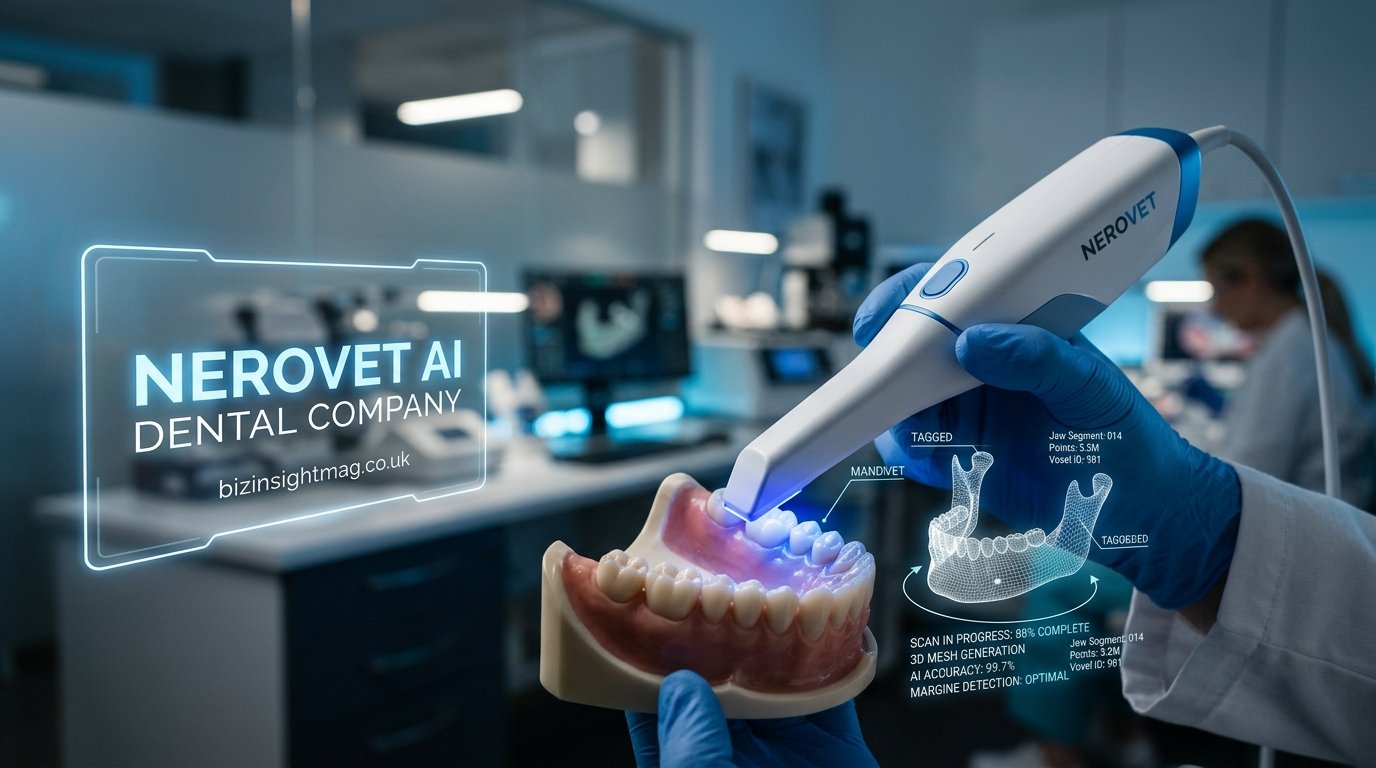
Artificial intelligence has become one of the most transformative technologies in modern healthcare, influencing how medical professionals diagnose conditions, manage patient information, and improve treatment outcomes. Dentistry is no exception. Over the last several years, digital innovations have reshaped traditional dental practices, introducing new possibilities for enhanced diagnostics, personalized treatments, and efficient clinical workflows. Within this rapidly evolving environment, the phrase Nerovet AI Dental Company has generated interest among professionals, technology enthusiasts, and individuals seeking information about emerging trends in AI-powered dentistry.
The integration of artificial intelligence into dental care represents a significant shift toward data-driven healthcare. Advanced software systems can now analyze dental images, interpret radiographic data, assist with treatment planning, and provide valuable clinical insights in a matter of seconds. These technological advancements are helping practitioners improve decision-making processes while reducing the time required for routine assessments.
Interest in Nerovet AI Dental Company reflects the broader movement toward digital transformation in oral healthcare. Whether associated with an existing company, an emerging healthcare technology initiative, or a concept related to AI dentistry, the term highlights growing curiosity about how intelligent systems can enhance patient experiences and support dental professionals. Understanding the relationship between artificial intelligence and dentistry provides valuable insight into the future of oral healthcare and the opportunities that technological innovation continues to create.
Understanding Artificial Intelligence in Dentistry
Artificial intelligence refers to computer systems designed to perform tasks that traditionally require human intelligence. These capabilities include recognizing patterns, learning from data, making predictions, and assisting with decision-making processes. In dentistry, AI technologies are increasingly being used to improve accuracy, efficiency, and patient outcomes.
Machine learning algorithms are among the most important components of modern dental AI systems. These algorithms analyze large datasets consisting of dental records, radiographic images, treatment histories, and clinical observations. By identifying patterns within this information, AI platforms can support practitioners in detecting potential issues and recommending suitable treatment options.
Computer vision technology has also become a valuable tool in dentistry. It enables software systems to examine dental scans, panoramic radiographs, intraoral photographs, and three-dimensional images with impressive precision. These systems can identify areas of concern, highlight abnormalities, and assist clinicians in evaluating oral health conditions more effectively.
The adoption of AI in dentistry is not intended to replace dental professionals. Instead, artificial intelligence functions as a support mechanism designed to complement clinical expertise. Dentists remain responsible for interpreting results, communicating with patients, and making final treatment decisions. AI simply enhances their ability to provide informed, efficient, and high-quality care.
The Growing Demand for AI Dental Solutions
Healthcare providers around the world are increasingly embracing digital technologies to address challenges associated with efficiency, patient satisfaction, and resource management. Dentistry has experienced a similar trend, with clinics seeking innovative solutions capable of improving daily operations and clinical performance.
The demand for AI-powered dental solutions is driven by several factors. One of the most important is the growing volume of patient data generated by modern practices. Managing records, imaging files, treatment histories, and appointment schedules manually can be time-consuming and prone to errors. Intelligent systems help organize this information while enabling practitioners to access critical data more efficiently.
Patients also expect greater convenience and transparency when receiving healthcare services. Many individuals appreciate detailed explanations regarding diagnoses, treatment options, and expected outcomes. Artificial intelligence tools can support these expectations by providing visual analyses, predictive insights, and educational resources that enhance patient understanding.
Technological advancements have further accelerated adoption. Faster processors, cloud computing capabilities, improved imaging equipment, and enhanced data analytics have created an environment where AI applications can function more effectively than ever before. These developments have encouraged both established organizations and emerging companies to invest heavily in intelligent dental technologies.
The increasing interest surrounding Nerovet AI Dental Company reflects broader enthusiasm for innovations designed to improve oral healthcare through digital transformation.
AI-Assisted Diagnostics and Disease Detection
Accurate diagnosis remains one of the most critical aspects of successful dental treatment. Identifying conditions during their earliest stages often leads to better outcomes, less invasive procedures, and improved long-term oral health. Artificial intelligence is becoming an increasingly valuable asset in supporting this objective.
AI systems are capable of analyzing radiographic images to identify signs of cavities, periodontal disease, bone deterioration, tooth fractures, and other oral health concerns. Advanced algorithms can detect subtle changes that may be difficult to Nerovet AI Dental Company identify during manual examinations, helping practitioners recognize issues before they become more severe.
Early detection contributes significantly to preventive dentistry. Patients who receive timely diagnoses can begin treatment sooner, reducing the risk of complications and minimizing future healthcare expenses. AI-assisted diagnostics also improve consistency by applying standardized evaluation criteria across multiple cases.
Some intelligent systems provide clinicians with Nerovet AI Dental Company annotated images that highlight potential problem areas. This visual assistance can simplify communication between dentists and patients, making it easier to explain diagnoses and discuss treatment recommendations. Improved understanding often increases patient confidence and encourages greater participation in oral health management.
As AI technologies continue evolving, diagnostic capabilities are expected to become increasingly sophisticated, enabling dental professionals to deliver even more precise and personalized care.
Improving Clinical Workflow Efficiency
Dental practices involve numerous administrative and operational responsibilities that extend beyond patient treatment. Appointment scheduling, insurance verification, documentation, billing, and patient communication all require considerable time Nerovet AI Dental Company and attention. Artificial intelligence offers opportunities to streamline these processes and improve overall efficiency.
Automated scheduling systems can help optimize appointment management by reducing conflicts, minimizing cancellations, and improving patient attendance rates. Intelligent reminder systems can notify patients about upcoming visits, contributing to better organizational performance and reduced administrative workloads.
Digital record management is another area where AI can provide substantial benefits. Intelligent platforms can organize patient histories, treatment notes, imaging data, and diagnostic findings in a centralized environment, allowing practitioners to access information quickly when needed.
Workflow optimization also enhances productivity within dental clinics. By automating repetitive tasks, staff members can devote more attention to patient Nerovet AI Dental Company interactions and clinical support activities. This improved allocation of resources contributes to smoother operations and a more satisfying experience for both patients and healthcare professionals.
Cloud-based technologies further enhance accessibility by enabling secure information sharing across multiple locations. Such capabilities support collaboration among specialists and facilitate efficient communication within healthcare networks.
Personalized Treatment Planning Through Artificial Intelligence
One of the most exciting developments in AI dentistry is the potential for highly personalized treatment planning. Every patient has unique oral health needs, medical histories, lifestyle factors, and treatment preferences. Artificial intelligence can help practitioners tailor recommendations according to these individual characteristics.
Machine learning systems analyze extensive datasets to identify patterns associated with successful treatment outcomes. These insights can assist Nerovet AI Dental Company clinicians in selecting procedures that align with patient-specific conditions and objectives. Personalized treatment planning supports better decision-making while promoting more effective healthcare strategies.
Predictive analytics represents another valuable capability. AI systems can estimate the likelihood of disease progression, treatment success, and future complications based on historical information and clinical observations. This knowledge enables practitioners to implement preventive measures and develop proactive care plans.
Customized patient experiences contribute significantly to satisfaction and engagement. When individuals feel that recommendations are Nerovet AI Dental Company designed specifically for their circumstances, they are often more likely to follow treatment plans and maintain regular dental visits.
Artificial intelligence enhances the ability of practitioners to combine scientific evidence with individualized care, ultimately improving both clinical outcomes and patient relationships.
Data Analytics and Machine Learning in Modern Dentistry
Data has become an essential resource in contemporary healthcare environments. Dental practices generate large volumes of information every day, including Nerovet AI Dental Company imaging records, patient histories, treatment outcomes, appointment trends, and operational metrics. Artificial intelligence allows organizations to transform this information into actionable insights.
Machine learning algorithms continuously improve their performance as they process additional data. This capability enables systems to recognize trends, refine Nerovet AI Dental Company predictions, and adapt to evolving healthcare needs. Over time, AI platforms become increasingly effective at supporting clinical and administrative decision-making.
Data analytics can reveal important patterns related to patient behavior, treatment effectiveness, and disease prevalence. Dental professionals may use these insights to identify opportunities for improvement, optimize service delivery, and strengthen preventive care initiatives.
Population-level analysis also has significant implications for public health. By examining aggregated data, researchers can gain a deeper understanding of oral health challenges affecting specific communities and develop targeted interventions Nerovet AI Dental Company designed to improve outcomes.
Responsible data management remains essential throughout this process. Organizations implementing AI solutions must prioritize privacy, security, and compliance with relevant regulations to maintain trust and protect sensitive patient information.
Ethical Considerations and Challenges in AI Dentistry
Although artificial intelligence offers considerable Nerovet AI Dental Company benefits, its implementation within healthcare environments presents several important challenges. Addressing these concerns is critical to ensuring that technological advancements contribute positively to patient care and professional practice.
Patient privacy remains one of the most significant considerations. Dental records contain highly sensitive information that requires secure handling and storage. Companies involved in AI dentistry must invest in robust cybersecurity measures to prevent unauthorized access and protect confidential data.
Transparency is another important issue. Patients and Nerovet AI Dental Company practitioners should understand how AI systems generate recommendations and interpret information. Providing clear explanations regarding technological capabilities and limitations helps establish trust and supports informed decision-making.
Bias within algorithms represents an additional concern. Machine learning systems rely heavily on training data, and inadequate representation within datasets can affect analytical accuracy. Developers must ensure that AI models are trained using diverse and comprehensive information to minimize disparities.
Regulatory oversight continues evolving as governments Nerovet AI Dental Company and healthcare authorities seek to establish standards for artificial intelligence applications. Compliance with these guidelines will play a crucial role in promoting responsible innovation and encouraging broader adoption within the dental industry.
By addressing ethical challenges proactively, organizations can help ensure that AI technologies are implemented in ways that benefit both practitioners and patients.
Future Innovations in AI-Powered Dentistry
The future of dentistry is expected to be increasingly influenced by artificial intelligence, automation, and digital technologies. Researchers and developers continue exploring innovative applications capable of transforming oral healthcare delivery.
Advanced imaging systems integrated with AI may soon provide real-time diagnostic support during patient examinations. Such capabilities could enable practitioners to make faster decisions and improve treatment efficiency. Enhanced visualization Nerovet AI Dental Company technologies may also contribute to more accurate assessments and better communication with patients.
Telehealth solutions are likely to become more prominent in dentistry. Remote consultations, virtual evaluations, and digital monitoring systems can expand access to care, particularly for individuals living in underserved areas. AI technologies may support these services by analyzing patient data and facilitating remote assessments.
Robotics represents another emerging field with potential applications in oral healthcare. Intelligent robotic systems could eventually assist with specific procedures, enhancing precision and reducing variability in treatment delivery.
Continuous advancements in computational power, cloud infrastructure, and machine learning techniques will further accelerate innovation. Organizations Nerovet AI Dental Company associated with concepts such as Nerovet AI Dental Company may contribute to the development of next-generation technologies designed to redefine dental care standards.
The Impact of AI on Patients and Dental Professionals
Artificial intelligence is reshaping relationships between patients and healthcare providers by introducing new opportunities for collaboration, education, and engagement. Patients increasingly value personalized experiences and appreciate access to information that supports informed decision-making.
AI-powered tools can enhance communication by presenting diagnostic findings in visually understandable formats. Patients often feel more confident when they can clearly see the reasoning behind treatment recommendations and understand Nerovet AI Dental Company potential outcomes.
Dental professionals benefit from improved efficiency, reduced administrative burdens, and access to advanced analytical capabilities. These advantages allow clinicians to focus more on patient interactions and less on repetitive tasks, contributing to greater job satisfaction and improved service quality.
The integration of intelligent technologies also Nerovet AI Dental Company supports continuing education and professional development. Practitioners can stay informed about emerging trends, access data-driven insights, and refine their clinical approaches based on evolving evidence.
As adoption increases, artificial intelligence is expected to strengthen collaboration between technology providers, dental professionals, researchers, and patients, fostering a more connected and innovative healthcare ecosystem.
Conclusion
Nerovet AI Dental Company reflects growing interest in the intersection of artificial intelligence and modern dentistry. Whether viewed as a company, concept, or representation of emerging healthcare technologies, it highlights the increasing importance of digital innovation within oral healthcare environments.
Artificial intelligence is transforming dentistry through enhanced diagnostics, improved workflow management, personalized treatment planning, and advanced data analytics. These capabilities enable practitioners to deliver more efficient, accurate, and patient-centered care while supporting better long-term outcomes.
Despite challenges related to privacy, transparency, and regulation, the potential benefits of AI-powered dentistry remain substantial. Continued investment in research, technological development, and ethical implementation will be essential to realizing the full potential of intelligent healthcare solutions.
As digital transformation continues reshaping healthcare industries worldwide, artificial intelligence is poised to become an integral component of future dental practices. Organizations exploring innovations associated with Nerovet AI Dental Company may contribute significantly to this evolution, helping create a future where oral healthcare is more accessible, efficient, and responsive to the needs of patients everywhere.
