

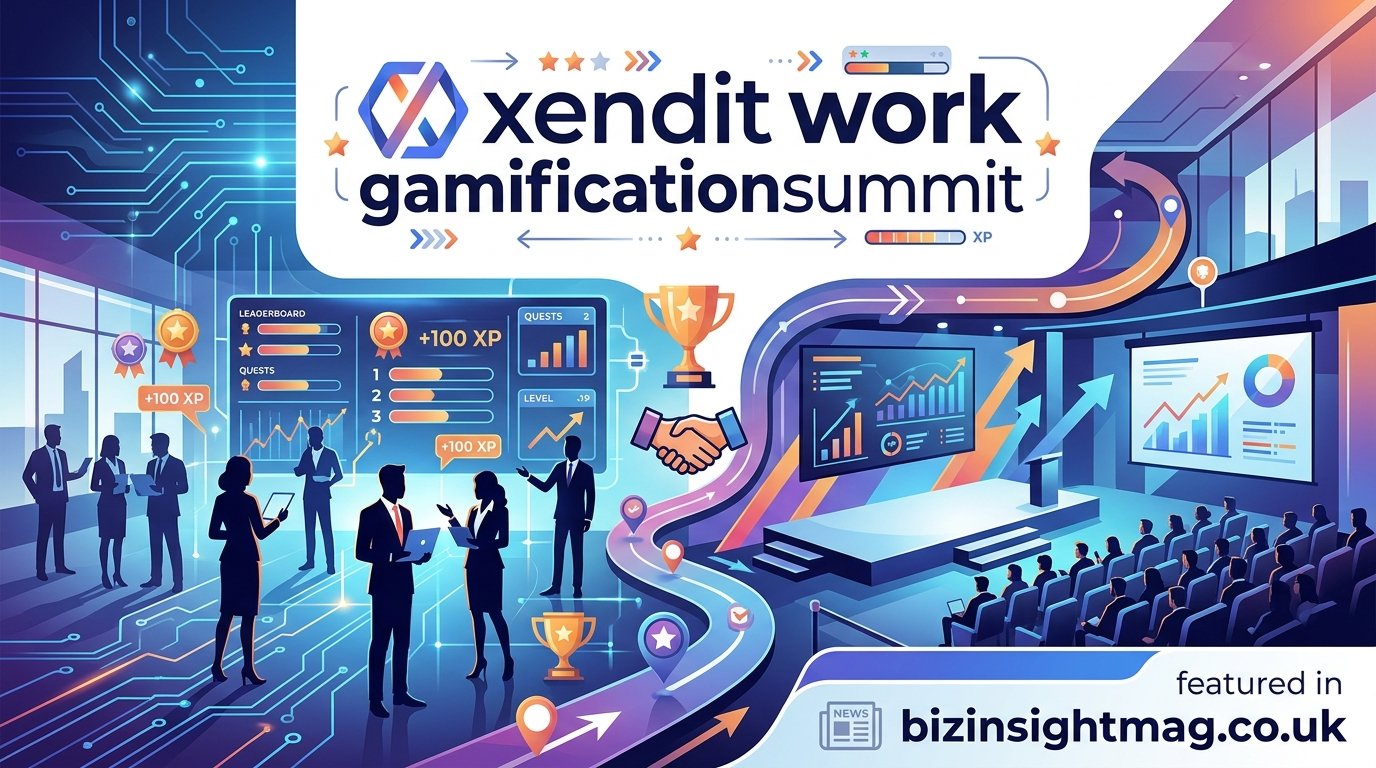
The modern workplace is undergoing a dramatic transformation. Organizations around the world are exploring innovative strategies to improve employee engagement, productivity, collaboration, and overall workplace satisfaction. One concept that has gained significant momentum in recent years is gamification. Businesses are increasingly incorporating game-inspired elements into their work environments to motivate teams, encourage participation, and enhance learning experiences.
The keyword Xendit Work GamificationSummit represents growing interest in the intersection of workplace innovation, employee motivation, and gamified organizational practices. As companies embrace digital transformation and remote collaboration, events, discussions, and initiatives focused on gamification continue to shape the future of work.
Gamification is no longer limited to entertainment or mobile applications. It has evolved into a practical business strategy that influences recruitment, employee training, performance management, customer engagement, and professional Xendit Work GamificationSummit development. Organizations seeking to build stronger workplace cultures recognize the value of creating engaging experiences that inspire employees to contribute their best efforts.
This comprehensive article explores the concept of Xendit Work GamificationSummit, examining the principles of gamification, its impact on employee engagement, implementation strategies, benefits, challenges, emerging trends, and the future of workplace innovation.
Understanding Gamification in the Workplace
Gamification refers to the use of game design elements and mechanics in non-game environments to encourage participation, increase motivation, and influence behavior.
These elements often include:
- Points systems
- Badges
- Rewards
- Challenges
- Leaderboards
- Progress tracking
- Achievement levels
- Recognition programs
The objective is to make tasks more engaging Xendit Work GamificationSummit and enjoyable while supporting organizational goals.
Workplace gamification aims to create experiences that encourage employees to remain motivated, connected, and committed to their responsibilities.
What Is Xendit Work GamificationSummit?
Xendit Work GamificationSummit can be viewed as a concept associated with discussions, events, or initiatives centered on workplace gamification Xendit Work GamificationSummit strategies and employee engagement practices.
Such summits often explore topics including:
- Employee motivation
- Digital workplace innovation
- Performance enhancement
- Team collaboration
- Learning technologies
- Human resource transformation
- Organizational culture
- Future workforce trends
Organizations interested in improving employee Xendit Work GamificationSummit experiences frequently participate in conferences and knowledge-sharing events dedicated to these themes.
The rise of workplace gamification demonstrates how companies are adapting to changing workforce expectations.
The Evolution of Employee Engagement
Employee engagement has become a major focus for organizations worldwide.
Traditional management models often relied Xendit Work GamificationSummit heavily on hierarchical structures and standardized performance systems.
Modern employees increasingly seek:
- Meaningful work
- Recognition
- Professional development
- Flexible environments
- Opportunities for growth
- Positive workplace cultures
Gamification provides organizations with tools Xendit Work GamificationSummit to address these evolving expectations.
Businesses recognize that engaged Xendit Work GamificationSummit employees often contribute to:
- Increased productivity
- Better collaboration
- Improved retention
- Higher job satisfaction
- Stronger innovation
Workplace experiences now extend beyond salaries and benefits.
Creating enjoyable and rewarding environments has become equally important.
Why Gamification Matters in Today’s Workplace
Organizations face numerous Xendit Work GamificationSummit challenges in maintaining employee engagement.
Factors influencing motivation include:
- Remote work environments
- Digital fatigue
- Changing expectations
- Competitive labor markets
- Skill shortages
- Generational differences
Gamification offers practical solutions by introducing elements Xendit Work GamificationSummit that make work experiences more interactive.
Employees often respond positively to systems that provide:
- Immediate feedback
- Clear objectives
- Recognition
- Progress indicators
- Friendly competition
These factors can significantly influence workplace morale.
Core Principles of Workplace Gamification
Effective gamification initiatives are built upon several fundamental principles.
Motivation
Motivation serves as the foundation of gamification.
Organizations seek to encourage behaviors that support business objectives.
Examples include:
- Meeting deadlines
- Completing training
- Sharing knowledge
- Achieving targets
- Participating in team activities
Motivated employees tend to Xendit Work GamificationSummit perform more effectively.
Progress Tracking
People often appreciate seeing measurable progress.
Gamified systems may provide:
- Experience points
- Completion percentages
- Achievement milestones
- Performance dashboards
Tracking progress creates a Xendit Work GamificationSummit sense of accomplishment.
Recognition
Recognition remains one of Xendit Work GamificationSummit the most powerful drivers of engagement.
Employees value acknowledgment for their efforts.
Recognition may include:
- Digital badges
- Certificates
- Awards
- Public appreciation
- Incentives
Positive reinforcement encourages Xendit Work GamificationSummit continued participation.
Challenges
Challenges introduce excitement and purpose.
Organizations may Xendit Work GamificationSummit create activities designed to:
- Improve skills
- Encourage collaboration
- Support learning
- Increase productivity
Well-designed challenges foster enthusiasm.
Benefits of Gamification in Organizations
Gamification provides numerous advantages for businesses.
Increased Employee Engagement
Engaged employees contribute more actively to organizational success.
Gamification encourages participation by making tasks more rewarding.
Employees often become more invested in their work experiences.
Improved Learning Outcomes
Training programs frequently benefit from gamification.
Interactive learning experiences can increase retention rates.
Gamified education may include:
- Quizzes
- Simulations
- Competitions
- Interactive modules
Learning becomes more enjoyable and effective.
Enhanced Productivity
Gamification can encourage employees to complete tasks more efficiently.
Clear objectives and rewards support improved performance.
Employees often remain focused when goals are visible and measurable.
Better Collaboration
Team-based challenges promote cooperation.
Collaborative activities strengthen workplace relationships.
Employees gain opportunities to:
- Share ideas
- Solve problems
- Support colleagues
- Build trust
Strong teams contribute to healthier organizational cultures.
Increased Retention
Employee turnover can be costly.
Organizations that create engaging environments may experience improved retention rates.
Employees are more likely to remain with companies where they feel valued and motivated
Gamification Applications Across Departments
Gamification can be implemented in various organizational functions.
Human Resources
Human resource teams increasingly adopt gamified approaches.
Applications include:
- Recruitment
- Onboarding
- Employee recognition
- Wellness programs
- Career development
Interactive experiences improve engagement throughout the employee lifecycle.
Training and Development
Learning initiatives often benefit significantly from gamification.
Features may include:
- Skill assessments
- Learning paths
- Achievement badges
- Certifications
Employees become more enthusiastic about professional growth.
Sales Teams
Sales environments naturally align with gamification principles.
Organizations frequently use:
- Leaderboards
- Incentive systems
- Performance competitions
- Achievement tracking
These tools can motivate teams to reach targets.
Customer Service
Customer support departments may utilize gamified systems to encourage:
- Faster response times
- Improved service quality
- Higher satisfaction ratings
- Continuous improvement
Recognition programs support employee morale.
Technology Driving Workplace Gamification
Advances in technology have accelerated gamification adoption.
Several innovations continue influencing workplace experiences.
Artificial Intelligence
AI technologies support personalized experiences.
Applications include:
- Adaptive learning
- Performance recommendations
- Behavioral insights
- Engagement analytics
Artificial intelligence can help organizations optimize gamification strategies.
Mobile Platforms
Mobile accessibility has become increasingly important.
Employees expect access to workplace systems through smartphones and tablets.
Mobile-friendly experiences improve convenience and participation.
Data Analytics
Analytics enable organizations to measure engagement.
Businesses can monitor:
- Participation rates
- Learning progress
- Achievement levels
- Employee satisfaction
Insights support continuous improvements.
Cloud Technologies
Cloud-based solutions facilitate scalability.
Organizations can deploy gamification systems across multiple locations.
Cloud infrastructure enhances flexibility.
Gamification and Remote Work
Remote work has transformed organizational dynamics.
Maintaining engagement within distributed teams presents unique challenges.
Gamification offers solutions designed to strengthen remote collaboration.
Examples include:
- Virtual competitions
- Online recognition programs
- Team challenges
- Digital rewards
- Interactive learning experiences
These initiatives help maintain workplace connections.
Employees often feel more engaged when they participate in shared activities.
Psychological Foundations of Gamification
Gamification draws heavily from behavioral psychology.
Understanding human motivation helps organizations design effective systems.
Intrinsic Motivation
Intrinsic motivation originates from personal satisfaction.
Employees may enjoy:
- Mastering skills
- Solving problems
- Achieving goals
Gamification supports these internal drivers.
Extrinsic Motivation
Extrinsic motivation involves external rewards.
Examples include:
- Bonuses
- Recognition
- Badges
- Incentives
Balancing intrinsic and extrinsic motivators contributes to sustainable engagement.
Achievement
Many individuals experience satisfaction from accomplishing objectives.
Achievement systems encourage continued participation.
Progress indicators reinforce positive behaviors.
Social Interaction
Humans naturally seek connection.
Gamification often incorporates collaborative elements that satisfy social needs.
Community participation strengthens engagement.
Challenges Associated With Workplace Gamification
Despite numerous benefits, organizations may encounter challenges.
Overemphasis on Competition
Excessive competition can negatively impact workplace culture.
Organizations should balance competition with collaboration.
Inclusive environments support healthier engagement.
Short-Term Motivation
Some gamification initiatives may produce temporary enthusiasm.
Sustaining long-term engagement requires thoughtful design.
Programs should evolve over time.
Poor Implementation
Gamification systems that lack clear objectives may fail.
Businesses must align initiatives with organizational goals.
Employee feedback supports continuous refinement.
Individual Differences
Not all employees respond similarly to gamification.
Organizations should consider diverse preferences.
Flexible approaches increase effectiveness.
Measuring Success in Gamification Programs
Evaluation helps organizations determine whether initiatives are achieving desired outcomes.
Common metrics include:
Participation Rates
High participation often indicates successful engagement.
Organizations monitor activity levels.
Performance Improvements
Businesses assess whether gamification influences productivity.
Improved results may demonstrate effectiveness.
Employee Satisfaction
Feedback surveys provide valuable insights.
Understanding employee experiences supports optimization efforts.
Retention Statistics
Retention rates may improve when workplace experiences become more engaging.
Long-term analysis helps identify trends.
Future Trends in Workplace Gamification
Gamification continues evolving alongside technological advancements.
Several trends are expected to shape future developments.
Virtual Reality
Immersive environments may redefine employee experiences.
VR technologies could enhance:
- Training simulations
- Collaboration
- Learning activities
Interactive experiences may become increasingly realistic.
Personalized Gamification
AI systems may customize experiences for individual users.
Personalization could improve motivation and participation.
Tailored rewards may enhance engagement.
Wellness Integration
Organizations increasingly prioritize employee well-being.
Gamified wellness programs may encourage:
- Physical activity
- Stress reduction
- Healthy habits
- Work-life balance
Wellness initiatives support overall productivity.
Continuous Learning Ecosystems
Professional development remains essential.
Future systems may integrate lifelong learning opportunities through engaging digital experiences.
Learning may become more adaptive and interactive.
Building an Effective Gamification Strategy
Successful implementation requires careful planning.
Organizations should focus on:
Clear Objectives
Programs should align with business priorities.
Goals may include:
- Skill development
- Productivity improvements
- Employee engagement
- Collaboration enhancement
Clear objectives provide direction.
Employee Involvement
Involving employees in design processes increases acceptance.
Feedback helps identify preferences and opportunities.
Participation fosters ownership.
Meaningful Rewards
Rewards should resonate with participants.
Recognition often proves more valuable than material incentives.
Thoughtful rewards strengthen motivation.
Ongoing Improvements
Gamification initiatives require continuous evaluation.
Organizations should adapt systems based on performance data and employee experiences.
Flexibility supports sustainability.
The Future of Work and Gamification
The workplace continues evolving rapidly.
Technology, changing expectations, and global trends influence organizational practices.
Gamification is expected to play an increasingly important role in shaping employee experiences.
Businesses that embrace innovation may gain advantages in:
- Talent attraction
- Retention
- Productivity
- Culture development
- Employee satisfaction
Creating engaging environments has become a strategic priority.
Organizations increasingly recognize that motivated employees contribute significantly to long-term success.
Conclusion
The concept of Xendit Work GamificationSummit highlights the growing importance of gamification in modern workplaces. As organizations seek innovative methods to improve employee engagement, collaboration, learning, and productivity, gamified strategies continue gaining widespread attention.
By incorporating elements such as recognition, challenges, rewards, progress tracking, and personalized experiences, businesses can create environments that motivate employees and strengthen organizational culture. Gamification supports professional development, enhances communication, and encourages participation in ways that traditional systems often cannot achieve.
Although challenges exist, thoughtful implementation and continuous refinement can maximize the benefits of workplace gamification. Advances in artificial intelligence, analytics, virtual reality, and mobile technologies will likely expand opportunities for organizations seeking to improve employee experiences.
As the future of work continues to evolve, gamification stands as a powerful tool capable of transforming workplaces into more engaging, collaborative, and rewarding environments. Companies that invest in innovative employee experiences today may be better positioned to thrive in tomorrow’s competitive business landscape.
