

The phone number 8334100241 has become a topic of online interest as people search for information about unknown calls, toll-free numbers, robocalls, telemarketing systems, and possible scam activity. In today’s digital world, receiving calls from unfamiliar numbers has become extremely common, encouraging millions of users to research phone numbers online before answering or returning calls.
Searches related to 8334100241 reflect the growing public concern surrounding spam calls, fraudulent activity, identity theft, and digital communication safety. As phone scams continue increasing worldwide, people are becoming more cautious about unknown 8334100241 callers and suspicious phone activity.
This article explores everything related to 8334100241, including toll-free phone numbers, robocall systems, scam prevention, telecommunications technology, caller identification, digital privacy, cybersecurity awareness, customer support systems, and safe communication practices in the modern era.
Understanding Toll-Free Numbers
What Is a Toll-Free Number?
The number 8334100241 begins with the 833 prefix, which is part of the toll-free numbering system used primarily in North America.
Purpose of Toll-Free Numbers
Businesses and organizations use toll-free numbers to:
- Provide customer support
- Handle service inquiries
- Offer technical assistance
- Improve accessibility for customers
Toll-free numbers allow callers to contact 8334100241 organizations without paying long-distance charges.
The Evolution of Toll-Free Communication
How Toll-Free Systems Became Popular
Toll-free calling systems became widely used as 8334100241 businesses expanded nationally and internationally.
Why Companies Prefer Toll-Free Numbers
These numbers help businesses:
- Build customer trust
- Create professional communication systems
- Offer nationwide support access
Toll-free communication remains important in customer service industries.
Why People Search 8334100241
Curiosity and Security Concerns
Unknown numbers naturally create curiosity and caution.
Common Reasons for Searching Phone Numbers
People may search numbers like 8334100241 because they want to know:
- Who called them
- Whether the call is legitimate
- If the number is associated with scams
- Whether it belongs to a business
Phone number searches have 8334100241 become part of everyday online behavior.
The Rise of Unknown Calls
Modern Communication Challenges
Unknown calls have increased significantly in recent years.
Why Unknown Calls Are Common
Calls may come from:
- Businesses
- Customer support centers
- Telemarketing companies
- Automated systems
- Scam operations
Not every unknown call is dangerous, but 8334100241 caution is important.
Understanding Robocalls
Automated Calling Technology
Robocalls are among the most common forms of modern phone communication.
What Is a Robocall?
A robocall is an automated call that may:
- Deliver prerecorded messages
- Conduct surveys
- Promote products
- Attempt scams
Some robocalls are legitimate, while 8334100241 others violate regulations.
Caller ID Spoofing Explained
How Scammers Disguise Their Numbers
Caller ID spoofing allows callers to display fake phone numbers.
Why Spoofing Is Effective
Spoofed numbers often appear:
- Familiar
- Local
- Official
- Trustworthy
This tactic increases the likelihood that people answer suspicious calls.
Scam Calls and Fraud Risks
Why Phone Fraud Is Increasing
Phone scams have become a major global issue.
Common Scam Call Types
Fraudulent calls may involve:
- Fake banking alerts
- Technical support scams
- Prize claims
- Government impersonation
Scammers often use urgency and fear to manipulate victims.
The Importance of Phone Security
Protecting Sensitive Information
Phone safety is increasingly important in the digital age.
Information Scammers Often Target
Fraudulent callers may attempt to collect:
- Banking information
- Passwords
- Credit card details
- Personal identification data
Protecting private information is essential.
Voice Phishing and Telephone Fraud
Understanding Vishing Scams
Voice phishing, commonly called vishing, refers to scams conducted over the phone.
Common Vishing Tactics
Scammers may pretend to represent:
- Banks
- Government agencies
- Technology companies
- Delivery services
Their primary goal is often financial fraud or identity theft.
Why Scam Calls Continue Growing
Technology and Mass Communication
Modern technology allows scammers to contact large numbers of people quickly.
Factors Driving Scam Growth
Fraudsters benefit from:
- Automated dialing systems
- Cheap internet calling
- Global telecommunications access
Even a low success rate can generate major profits.
Online Communities and Number Reporting
Sharing Experiences About Unknown Calls
Many people discuss suspicious numbers online.
Benefits of Online Reporting
Community discussions help users:
- Identify scam patterns
- Warn others
- Share experiences
- Increase public awareness
Collective information improves safety.
Legitimate Uses of Toll-Free Numbers
Not Every Unknown Call Is Fraudulent
Many toll-free numbers belong to real businesses.
Common Legitimate Purposes
Companies may call regarding:
- Customer service
- Appointment reminders
- Billing notifications
- Technical support
Users should still verify suspicious claims independently.
Smartphone Technology and Spam Detection
Modern Devices Fighting Spam Calls
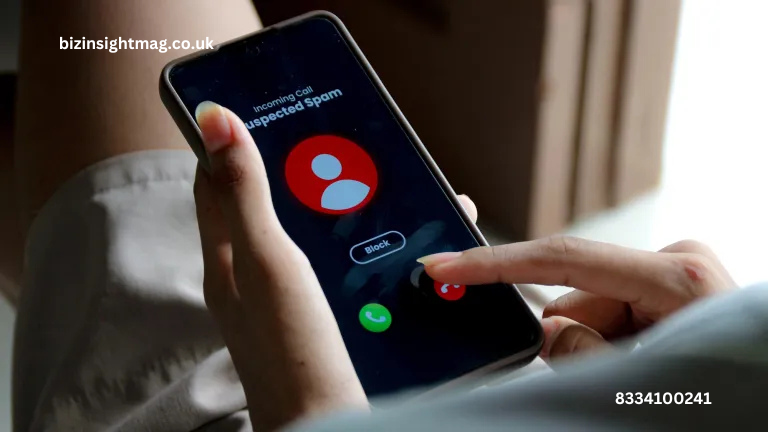
Smartphones now include advanced anti-spam tools.
Common Security Features
Devices may:
- Detect spam calls
- Warn users automatically
- Block suspicious numbers
Technology companies continue improving security systems.
Mobile Carriers and Anti-Scam Technology
Telecommunications Companies Fighting Fraud
Phone carriers are investing heavily in protection systems.
Anti-Fraud Measures Used by Carriers
Mobile providers may offer:
- Spam filtering
- Caller authentication
- Fraud detection systems
Despite these efforts, scam calls remain widespread.
Emotional Manipulation in Scam Calls
Psychological Tactics Used by Fraudsters
Scammers often rely on emotional pressure.
Common Emotional Strategies
Fraudulent callers may create:
- Panic
- Fear
- Urgency
- Excitement
These tactics encourage impulsive decisions.
Best Practices for Handling Unknown Calls
Staying Safe During Suspicious Calls
Caution is essential when receiving unfamiliar calls.
Important Safety Tips
You should:
- Avoid sharing personal information
- Verify callers independently
- Hang up on suspicious calls
- Block unwanted numbers
Awareness remains the strongest defense.
Reverse Phone Lookup Services
Investigating Unknown Numbers Online
Many users rely on reverse lookup tools.
Information Lookup Services May Provide
Users may discover:
- Geographic information
- Business listings
- User reviews
- Spam reports
These services help improve decision-making.
The Evolution of Telecommunications
From Traditional Phones to Smart Devices
Communication systems have changed dramatically over time.
Major Technological Advances
Modern communication now includes:
- Smartphones
- Video calling
- Internet-based communication
- AI-powered assistants
Technology improved convenience but also created new security risks.
Cybersecurity and Phone Communication
Protecting Data in the Digital Era
Cybersecurity now extends beyond computers and websites.
Common Phone-Related Security Risks
Threats may include:
- Identity theft
- Financial fraud
- Data breaches
- Account compromise
Responsible communication habits are essential.
Artificial Intelligence and Scam Detection
AI Improving Telecommunications Security
Artificial intelligence is becoming increasingly important in fraud prevention.
How AI Helps Protect Users
AI systems can:
- Detect suspicious patterns
- Analyze robocall activity
- Block spam automatically
Advanced technology improves communication safety.
The Financial Impact of Phone Scams
Billions Lost Every Year
Phone scams cause enormous financial damage globally.
Common Financial Fraud Schemes
Scammers may attempt:
- Banking fraud
- Investment scams
- Fake payment requests
- Tax-related fraud
Victims sometimes lose significant amounts of money.
Why Seniors Are Frequently Targeted
Vulnerable Populations and Fraud Risks
Certain groups face greater scam risks.
Reasons Older Adults Are Targeted
Scammers may assume seniors are:
- More trusting
- Less familiar with modern technology
- Financially stable
Public education plays an important role in protection.
Government Regulations Against Scam Calls
Legal Efforts to Reduce Fraud
Governments worldwide are fighting illegal robocalls.
Common Anti-Scam Measures
Authorities may:
- Investigate scam operations
- Enforce penalties
- Require caller verification systems
International cooperation is increasingly important.
Why Unknown Calls Should Be Handled Carefully
Smart Habits Improve Safety
Not every unfamiliar number is dangerous, but caution is always wise.
Safe Response Strategies
If you receive suspicious calls:
- Let voicemail screen unknown callers
- Research the number online
- Avoid immediate callbacks
Careful behavior reduces risks.
Digital Privacy in the Modern World
Why Personal Information Must Be Protected
Personal data has become highly valuable.
Important Information to Secure
Sensitive details include:
- Login credentials
- Financial records
- Contact information
- Identity documents
Privacy awareness is increasingly important.
The Future of Phone Security
Emerging Technologies for Safer Communication
Technology companies continue developing stronger security systems.
Future Telecommunications Innovations
Upcoming improvements may include:
- Enhanced AI spam filtering
- Better caller authentication
- Advanced fraud detection
Phone security will remain a major focus.
Public Awareness and Scam Prevention
Education as the Best Defense
Awareness significantly reduces scam success rates.
Important Consumer Lessons
People should remember:
- Never trust unknown callers automatically
- Verify suspicious claims independently
- Protect personal information carefully
Education remains one of the most effective protections.
Why Searches for 8334100241 Continue Increasing
Online Safety and User Curiosity
Searches for unfamiliar numbers continue growing because of rising scam awareness.
Common Search Motivations
People often search numbers because they want:
- Caller identification
- Scam warnings
- Community experiences
- Security reassurance
Phone number research has become standard digital behavior.
Communication Technology and Society
The Role of Phones in Everyday Life
Phones remain essential for modern communication.
Important Uses of Telecommunications
People rely on phones for:
- Business communication
- Emergency services
- Family contact
- Financial transactions
Secure communication systems are extremely important.
Conclusion
The keyword 8334100241 reflects the growing importance of phone safety, scam awareness, and digital communication security in today’s connected world. As robocalls, spam calls, and phone scams continue increasing globally, more people are researching unfamiliar numbers online before answering or returning calls.
Whether 8334100241 belongs to a legitimate business, a customer service center, an automated system, or an unknown caller, researching unfamiliar numbers is a smart and responsible habit. Understanding how scam operations work, recognizing suspicious behavior, and using available protection tools can help individuals stay safer in the digital age.
As telecommunications technology continues evolving, awareness, caution, and cybersecurity education will remain essential for protecting privacy, preventing fraud, and maintaining safe communication practices in modern society.
