

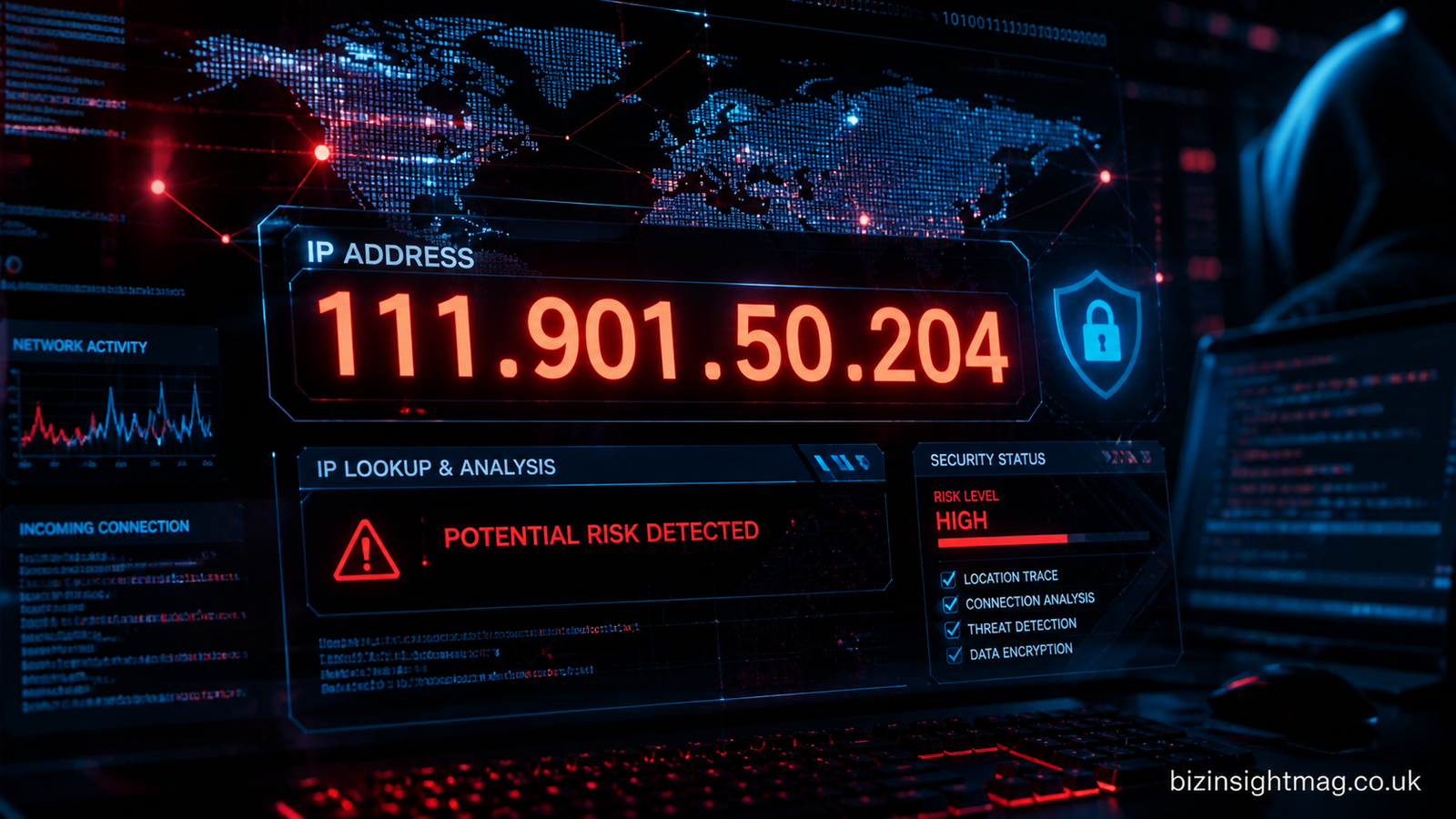
The string “111.901.50.204” appears at first glance to be a typical IPv4 address, but a closer technical inspection reveals something important. IPv4 addresses are structured into four numerical segments called octets, each ranging from 0 to 255. In this case, the second octet is “901,” which immediately violates this rule, making the address invalid and unusable on the internet.
Despite its invalidity, the keyword has gained traction online due to curiosity-driven searches and misleading content trends. Many users assume it is a real server or hidden gateway to specific online content. However, from a networking perspective, it cannot be assigned to any device, server, or network, and it has no legitimate function in internet communication.
What Is an IP Address and How It Works
An IP address, or Internet Protocol address, is a unique identifier assigned to devices connected to a network. It acts like a digital address, ensuring that data sent across the internet reaches the correct destination. Every time you browse a website or stream content, your device uses an IP address to communicate with servers.
There are two main types of IP addresses in use today: IPv4 and IPv6. IPv4 uses four sets of numbers separated by dots, while IPv6 uses a more advanced alphanumeric format to support the growing number of internet-connected devices. Regardless of the version, the fundamental purpose remains the same: identifying devices and enabling data exchange across networks.
Why 111.901.50.204 Is Not a Valid IPv4 Address
The key reason “111.901.50.204” is invalid lies in the structure of IPv4 addresses. Each octet must fall within the range of 0 to 255. Since “901” exceeds this range, the address breaks a core networking rule and cannot function in any real-world system.
Because of this limitation, the address cannot be used for hosting websites, connecting to servers, or routing internet traffic. It also cannot be traced, geolocated, or registered with any Internet Service Provider. Any system attempting to interpret this address would immediately reject it as malformed or incorrect.
Why People Search for 111.901.50.204 Online
Even though it is technically invalid, “111.901.50.204” has become a trending search term in certain regions and online communities. This popularity is often driven by social media sharing, messaging apps, and forum discussions where such numeric strings are presented as shortcuts to hidden or exclusive content.
In many cases, the appeal comes from the perception that IP-like numbers provide direct access to private servers or restricted content. This creates a sense of curiosity and urgency among users. However, this behavior is largely based on misinformation and does not reflect how internet infrastructure actually works.
Common Variations and Obfuscation Techniques
The string “111.901.50.204” often appears in multiple variations designed to confuse both users and automated systems. These variations may include altered numbers, removed dots, or replaced characters that resemble numbers. Such techniques are known as obfuscation and are commonly used to bypass filters or moderation systems.
For example, replacing the number “1” with the letter “l” or combining digits without separators can make the string appear legitimate while avoiding detection. These manipulations are frequently used in spam content and misleading links, making it harder for users to identify whether the information is trustworthy or safe.
Security Risks Linked to Suspicious IP Searches
Searching for or interacting with suspicious strings like “111.901.50.204” can expose users to various cybersecurity risks. While the string itself is harmless, the websites associated with it are often not regulated or verified. These sites may host malicious scripts, harmful downloads, or deceptive content designed to exploit users.
Common threats include malware infections, phishing attempts, and browser hijacking. Users may unknowingly provide personal information or download harmful software simply by visiting these sites. In today’s digital environment, even a single click on an untrusted link can compromise a device or lead to data theft.
How Invalid IP Addresses Appear in Systems
Interestingly, malformed IP addresses like “111.901.50.204” can sometimes appear in server logs or analytics tools. This is often due to automated bots or scripts that scan networks for vulnerabilities. These bots may generate random or invalid addresses as part of their probing activities.
In other cases, invalid IPs result from human error, such as typos or misconfigurations in network settings. Developers and system administrators must be careful to validate IP inputs to prevent errors in applications and ensure proper network functionality.
How to Verify Whether an IP Address Is Legitimate
Verifying an IP address is straightforward once you understand the basic rules. The most important step is checking that each octet falls within the range of 0 to 255. If any segment exceeds this limit, the address is invalid and cannot be used in networking.
Additionally, online IP lookup tools can help confirm whether an address is real and provide details such as location, ISP, and network ownership. These tools rely on global databases to map valid IP ranges and are widely used for troubleshooting, security analysis, and traffic monitoring.
Best Practices for Safe Internet Browsing
Staying safe online requires awareness and proactive measures, especially when encountering unusual or suspicious content. Avoid clicking on unfamiliar links, particularly those that use numeric strings or promise hidden access. Keeping your browser and security software updated is also essential for protecting against modern threats.
Using tools like antivirus programs, VPNs, and ad blockers can provide additional layers of protection. These tools help detect malicious activity, encrypt your data, and prevent unauthorized access. Safe browsing habits, combined with reliable security tools, significantly reduce the risk of cyberattacks.
Final Thoughts on 111.901.50.204
The keyword “111.901.50.204” highlights how easily misinformation can spread in the digital age. While it may look like a legitimate IP address, it fails to meet the basic requirements of IPv4 formatting and cannot function in any real network. Its popularity stems from curiosity, social sharing, and misleading online trends rather than technical validity.
Understanding how IP addresses work and recognizing invalid formats is an important step toward digital literacy. By staying informed and cautious, users can avoid unnecessary risks and navigate the internet more safely. In a world where online threats continue to evolve, knowledge remains one of the most effective tools for protection.
