

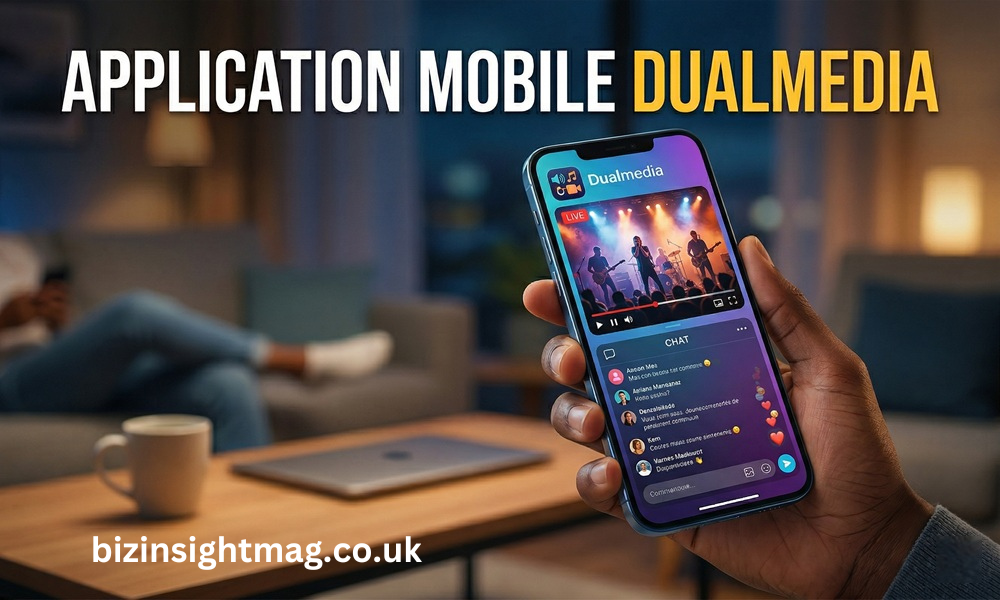
The idea of an application mobile DualMedia is becoming more important as modern users demand more powerful and flexible mobile experiences. In a world where smartphones are used for entertainment, communication, and productivity, people expect a single application to handle multiple types of media without limitations. A DualMedia mobile application is designed to manage, process, and deliver at least two forms of media, such as video and audio, within one unified platform.
This evolution is driven by the growing consumption of digital content. Users no longer rely on separate tools for watching videos, listening to music, or sharing application mobile DualMedia images. Instead, they prefer integrated solutions that simplify their digital lives. As a result, developers are focusing on building applications that combine multiple media capabilities while maintaining speed, performance, and ease of use.
Understanding the Core Concept of DualMedia
At its core, a DualMedia mobile application refers to software that supports two or more types of media simultaneously or interchangeably. This could include video streaming with background audio, multimedia editing, or platforms that allow users to manage different file formats in one place. The goal is to provide flexibility and reduce the need for multiple apps.
This concept is not just about functionality but also about integration. A well-built DualMedia application ensures that different media application mobile DualMedia types work together smoothly. For example, a user might watch a video while interacting with audio commentary or switch between content formats without interruptions. This seamless experience is what defines the value of DualMedia technology.
Evolution of Mobile Media Applications
Mobile applications have evolved significantly over the past decade. Early apps were limited in functionality and often focused on a single purpose. For example, one app would handle music playback while another would focus on video streaming. As technology application mobile DualMedia advanced, users began to expect more from their devices, leading to the development of multifunctional applications.
The introduction of faster processors, improved graphics capabilities, and high-speed internet connections has made it possible to support complex media operations. Today, DualMedia applications represent the next step in this evolution, combining multiple features into a single, efficient platform that meets the demands of modern users.
Key Features of DualMedia Mobile Applications
DualMedia mobile applications are built with a range of features that enhance usability and performance. One of the most important aspects is multi-format compatibility, allowing the app to support various media types such as video, audio, and images. This ensures that users can access their content without worrying about format restrictions.
Another essential feature is seamless playback and synchronization. Users expect smooth transitions between different types of media, with application mobile DualMedia minimal buffering or delays. Advanced technologies such as adaptive streaming and intelligent caching are often used to achieve this. Additionally, many DualMedia apps include cloud integration, enabling users to store and access their media across multiple devices.
Benefits of Using DualMedia Applications
One of the biggest advantages of DualMedia applications is convenience. By combining multiple functionalities into a single app, users can save time and storage space on their devices. This is particularly beneficial for individuals who frequently switch application mobile DualMedia between different types of content.
Another key benefit is enhanced user experience. A unified interface makes it easier to navigate and manage media files, reducing complexity and improving efficiency. Users can enjoy a more streamlined experience, which leads to higher satisfaction and increased engagement with the application.
Technology Behind DualMedia Applications
The development of DualMedia mobile applications relies on advanced tools and technologies. Platforms like Android Studio and Xcode are commonly used to create high-performance applications for Android and iOS devices. These tools provide developers application mobile DualMedia with the necessary resources to build and optimize multimedia features.
In addition to development platforms, technologies such as cloud computing, APIs, and streaming protocols play a crucial role. Cloud services enable data storage and synchronization, while APIs allow integration with external services. Streaming protocols ensure smooth playback, even for high-quality media content, making the overall experience more reliable.
Challenges in Developing DualMedia Apps
Despite their advantages, creating DualMedia mobile applications comes with several challenges. One of the main issues is ensuring compatibility across different devices and operating systems. Developers must consider variations in hardware performance, screen sizes, and user preferences.
Another challenge is maintaining performance while handling multiple media types. Processing video and audio simultaneously requires efficient resource management. Without proper optimization, the app may experience lag, increased battery consumption, or reduced performance, which can negatively impact user satisfaction.
User Experience and Interface Design
User experience is a critical factor in the success of any DualMedia application. A well-designed interface ensures that users can easily access features and navigate through the app without confusion. Simplicity and clarity are essential for application mobile DualMedia creating a positive user experience.
Visual design also plays an important role. Modern users expect applications to be visually appealing, with smooth animations and responsive layouts. By application mobile DualMedia focusing on both functionality and design, developers can create applications that are not only efficient but also enjoyable to use.
Future Trends in DualMedia Mobile Applications
The future of DualMedia mobile applications is shaped by emerging technologies and changing user expectations. One of the most significant trends is the integration of artificial intelligence, which can enhance content recommendations and personalize user experiences. AI can analyze user behavior and provide tailored suggestions, making the app more engaging.
Another important trend is the use of augmented reality and virtual reality. These technologies have the potential to transform how users application mobile DualMedia interact with media, offering immersive experiences that combine different formats. As these innovations continue to develop, DualMedia applications are expected to become even more advanced and versatile.
Security and Data Protection
Security is a major concern for DualMedia mobile applications, as they often handle personal data and media files. Developers must implement application mobile DualMedia strong security measures to protect user information from unauthorized access. This includes encryption, secure authentication, and regular updates to address potential vulnerabilities.
Data privacy is equally important. Users need to trust that their information is safe and not being misused. Transparent privacy policies and compliance with regulations help build this trust. By prioritizing security and privacy, developers can ensure a safe and reliable user experience.
Conclusion
Application mobile DualMedia represents a significant step forward in the evolution of mobile technology. By combining multiple media functionalities into a single platform, these applications offer convenience, efficiency, and an improved user experience. They reflect the growing demand for integrated solutions that simplify how people interact with digital content.
As technology continues to advance, DualMedia applications will become even more powerful and user-friendly. With improvements in performance, design, and security, they are set to play a key role in the future of mobile computing. Their ability to adapt to changing user needs ensures that they will remain relevant and valuable in the years to come.
